
Trump Says Will Shift Focus to Russia-Ukraine Issue: What Diplomatic Contacts Signal
Keywords: Trump, Putin, Zelensky, Russia-Ukraine Conflict, G7 Summit, Diplomatic Mediation, Ceasefire Talks
Introduction
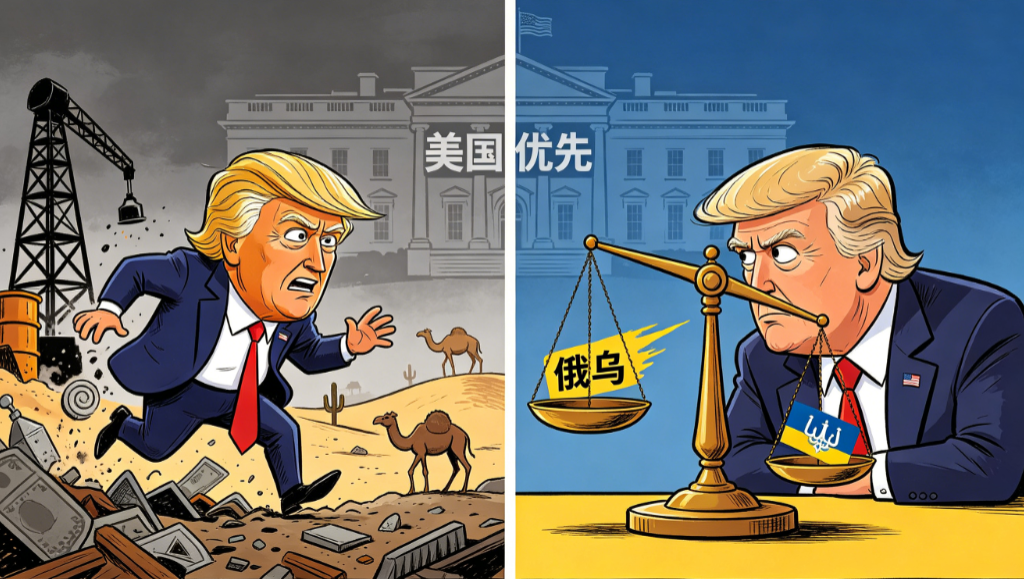
During the G7 summit in Évian-les-Bains, France, US President Trump said he had spoken separately with Russian President Putin and Ukrainian President Zelensky, and both were willing to "take action" to resolve the Ukraine crisis. This statement shows that against the complex backdrop of current international affairs, the Russia-Ukraine issue is again becoming a focus of US diplomatic agenda. Trump said that after other matters are handled, the US will shift its work focus to promoting resolution of the Russia-Ukraine issue, a signal that draws high attention to new diplomatic mediation.
Main Text
I. Calls Release Limited but Important Positive Signals
From Trump's statement, both Russia and Ukraine at least formally remain open to continued contact. Trump stressed that his conversations with Putin and Zelensky were "very good" and believed "something can be done" on the Ukraine crisis. Although such wording does not imply an immediate breakthrough, given ongoing conflict and weak mutual trust, any high-level communication itself is significant.
Particularly noteworthy is that Trump described "taking action" as a consensus, indicating the US is trying to rebuild negotiating space. For the long-stalled Russia-Ukraine conflict, restarting communication, clarifying demands, and exploring ceasefire possibilities are often prerequisites for political resolution.
II. Parties' Positions Still Show Clear Differences
Although some easing signs can be seen from the calls, the fundamental contradictions of the Russia-Ukraine issue have not disappeared. Russian presidential aide Ushakov revealed that Putin told Trump that Ukraine's attacks on Russian civilian facilities are not conducive to conflict resolution, and accused Europe and Ukraine of leaning toward prolonging the war. This reflects that Russia still insists on security concerns and battlefield realities as the basis for negotiations.
Meanwhile, Zelensky said on social media that he and Trump discussed the possibility of organizing a meeting with Putin in the US, but remained cautious about the final outcome. This "open but reserved" attitude reflects Ukraine's desire to leverage external forces to promote dialogue while fearing any talks might affect its core interests. Willingness to engage exists, but reaching real consensus remains highly uncertain.
III. US Reasserts Involvement to Shape Mediation Authority
Another important backdrop to Trump's statement is the US desire to regain diplomatic initiative on the Russia-Ukraine issue. As a key player in the Western alliance, US attitudes directly affect the pace of European partners' policies and also influence the parties' assessment of negotiation prospects. Trump said after current matters are handled, the US will shift focus to the Russia-Ukraine issue, meaning Washington may push for more intensive diplomatic contacts.
However, it is clear that phone calls alone cannot automatically translate into a peace process. Real difficulties lie in designing ceasefire mechanisms, arranging security guarantees, defining post-war arrangements, and getting all parties to accept a workable framework. Therefore, for the US to push substantive breakthroughs, it needs not only diplomatic will but also a realistic and actionable proposal.
Conclusion
Overall, Trump's calls with Putin and Zelensky inject new diplomatic variables into the Russia-Ukraine issue, but there is still a long way from resolving the crisis. All sides are probing each other's bottom lines and hoping to leverage external platforms for a better position. Whether the situation can turn around depends not on how positive the statements are, but on whether limited consensus can be translated into truly executable negotiation processes. For the protracted Russia-Ukraine conflict, restarting dialogue is important, but more critical is making that dialogue lead to results.